Tip
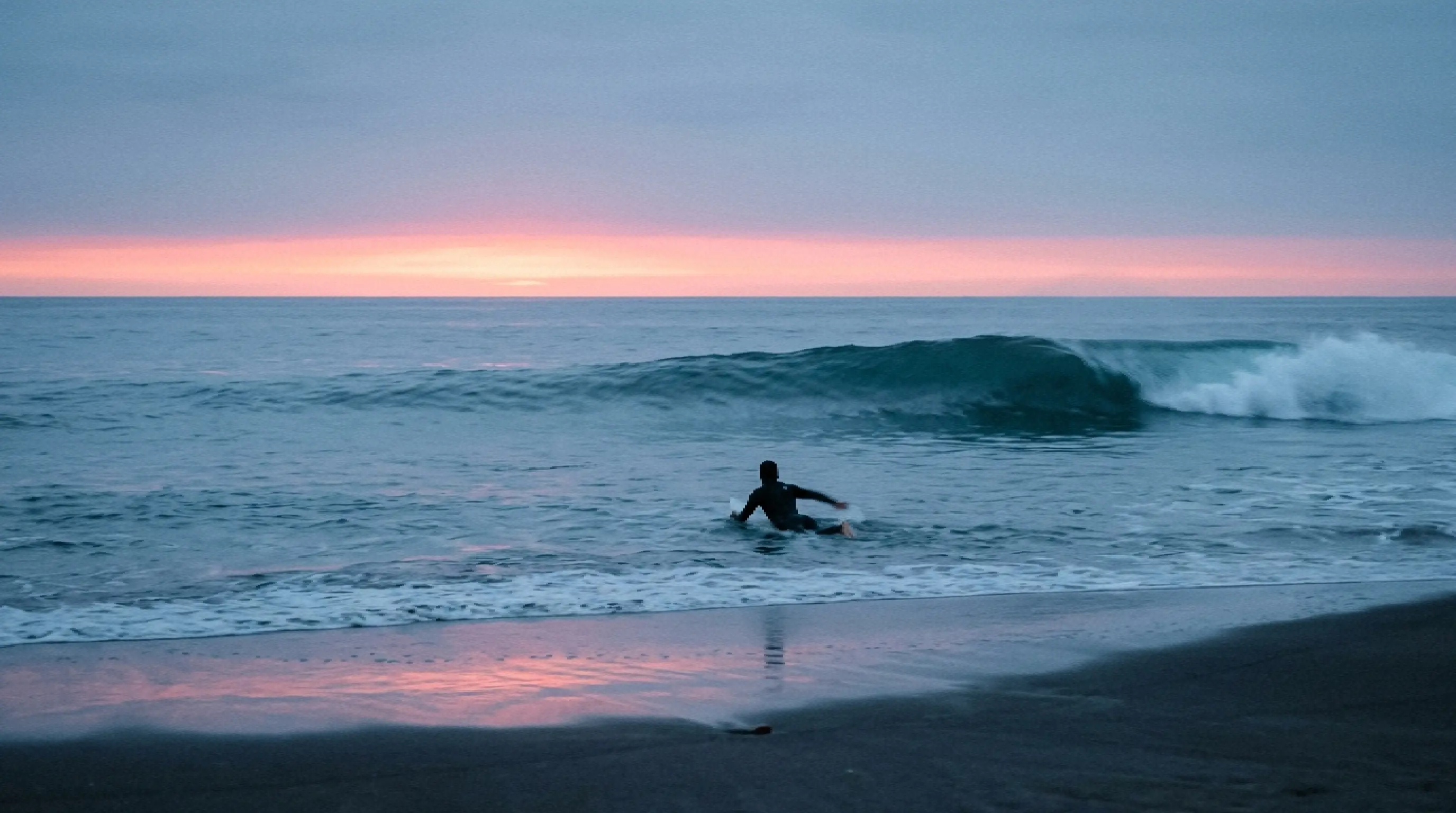
On March 21, 2026, the Save The Waves Coalition dedicated Puerto Escondido as the 14th World Surfing Reserve. This designation protects 10 km of coast and 8 iconic breaks, including Zicatela, La Punta, and Punta Colorada. For visitors, it means you can still surf freely, but future construction on the first row of the beach is limited and turtle nesting estuaries are protected. See all the breaks at your own pace with a KORU rental.
Book Vehicle Now
Confirm availability, home delivery and 24/7 support in Puerto Escondido.
Qué pasó el 21 de marzo de 2026
On March 21, 2026, about 350 surfers, biologists, neighbors, and kids from Zicatela stood on the sand to watch Puerto Escondido become the 14th World Surfing Reserve on the planet. This wasn't a traditional government event. It was a community claiming a prize they had been fighting for since 2013 against the pressures of uncontrolled urban development.
That afternoon on the beach, the international organization Save The Waves Coalition handed over the official plaque that certifies the protection of the marine environment. Local committee leaders spoke about the future of the beaches. There was a clear feeling of collective relief among the attendees, who knew this title wasn't just an ornament to attract more visitors. It was a real legal tool. Entire families hugged after hearing the words of the movement's founders. It marked the end of a cycle of resistance that involved neighborhood assemblies, signature collections, and peaceful marches under the burning Pacific sun.
The formal announcement covered everything from Punta Colorada in the north to the southern points of the main bay. Cameras captured the exact moment when fishermen and surf schools raised their hands together in celebration. Now, Puerto Escondido shares the same status as iconic destinations like Malibu in California, Manly Beach in Australia, or Ericeira in Portugal. The difference is that here the designation arrives just in time to stop the privatization of the coast before it is too late.
Qué es una World Surfing Reserve (y por qué importa)
The World Surfing Reserve designation is a global program designed to protect high-quality waves and their natural surroundings. Created by the Save The Waves Coalition in 2009, the model seeks to prevent massive infrastructure projects from ruining the bathymetric characteristics that create perfect waves. When a port, a poorly planned breakwater, or a large hotel is built right on the dune, the way the ocean breaks changes forever.
For Puerto Escondido, making it onto this exclusive list matters more than international prestige. The certificate forces local and federal authorities to consider the environmental and sporting impact of any future construction. A coastal management plan backed by international experts is established. This puts an immediate stop to opaque concessions and guarantees that public access to the beach will still exist for your next visit. Urban planning meetings must now have a permanent chair for the reserve's council, giving a voice and a vote to those who truly know the ocean.
Additionally, the concept of the reserve goes far beyond the area where you ride a wave. It includes the protection of nearby mangroves, dune flora, coral reefs, and sea turtle nesting zones. The entire natural system works as a chain. If you destroy the mangrove in Punta Colorada, you change the flow of sand that feeds Bacocho beach and, eventually, you alter the currents that form the tubular waves that gave the Oaxacan coast its fame.
Las 8 olas protegidas
The official map of the new reserve covers an extensive protection radius that shields exactly eight distinct breaks. Each one has its own personality, difficulty level, and role in the local economy. Whether you are just renting your first soft board or traveling in search of six-meter tubes, one of these waves is for you.
Zicatela (Mexican Pipeline)
The crown jewel and the main reason Puerto Escondido exists on the global surfing map. Zicatela is famous for its aggressive, fast, and heavy tube that breaks over a shallow sandbank. It is not a wave to take lightly. During the summer, it receives the strong southern swells and produces aquatic monsters that attract professionals from all over the world. The reserve specifically protects the main sandbank in front of the surfer statue.
Punta Zicatela / La Punta
Located at the southern end of Zicatela bay, La Punta is a more noble and constant left wave that breaks over a bed of round rocks. It is the natural meeting point at the end of the day. The protection here ensures that the small rocky promontory that shapes the wave will not be dynamited or altered by future urban planning projects. Its sunsets are unbeatable, and the relaxed atmosphere is felt in every corner of the dirt roads.
Punta Colorada
Punta Colorada offers one of the most consistent waves for professional bodyboarding in the entire Mexican Pacific. This area was the center of the most intense legal battle over the last decade, as there were plans to build a massive housing complex over the conservation area. Thanks to the reserve, the adjacent mangrove and the wave are finally safe from heavy machinery, preserving their wild beauty and enormous biological importance.
Playa Marinero
Just north of Zicatela, Marinero works as the perfect transition link. The wave is softer than the Mexican Pipeline but offers enough force for those looking to progress. It is a lively urban beach where local surf schools operate all year round. Its inclusion in the reserve ensures that the flow of sediments from the main bay to the south will not be blocked by any artificial structure in the near future.
Playa Carrizalillo
Famous for its access via more than 160 steps, Carrizalillo is a closed cove that produces soft waves ideal for absolute beginners. Its horseshoe shape protects it from the heavy swell, creating a safe and predictable environment. The designation protects the peripheral reef and the water quality of the bay, ensuring that surf lessons for children and first-time tourists can continue for many generations.
Los 3 breaks restantes
The Save The Waves Coalition file completes the list of eight waves by also shielding La Principal, an intermittent wave in front of the lighthouse that works during certain swells, Manzanillo, and Puerto Angelito. Although these last two bays are better known for swimming or snorkeling, on rare occasions with the right groundswell they produce surfable sections highly sought after by locals. The inclusion of this entire area ensures the coral and fishing health of the central part of Puerto Escondido.
Por qué esto importa para el viajero (no solo para el surfista)
If you have never been on a surfboard, you might think this designation does not affect you at all. The reality is quite different. When you visit Puerto Escondido in your rented Jeep or travel the secondary roads on an ATV, what you are looking for is that essence of a coastal town surrounded by living jungle. World Surfing Reserves function as a protective shield for that entire travel experience from start to finish.
By limiting destructive construction, it prevents Puerto Escondido from becoming an uninterrupted strip of concrete and all-inclusive hotels with no character of their own. Your view of the ocean while having a coffee in La Punta will not be blocked by multi-story walls of large real estate consortiums. The water where you swim with your family in Carrizalillo will stay clean because the reserve requires wastewater management plans and prohibits polluting discharges near natural reefs.
Furthermore, the responsible tourism that this type of certification attracts improves the quality of local services without destroying the identity of the place. You will find more organic food options, better recycling practices in beachfront businesses, and a community that deeply values its natural surroundings. Short-term rentals and foreign investment will also have to adjust to stricter planning rules, reducing the pressure on the basic services of the entire municipality. Ultimately, the reserve ensures that the rugged magic for which you decided to travel thousands of miles stays alive when you decide to return next year, finding clear beaches, turtles nesting in the virgin sand, and memorable sunsets.
Qué cambia realmente (y qué no cambia)
To dispel rumors quickly, the waves remain completely open to locals, residents, and tourists. No one is going to charge you a special entrance fee to get in the water at Zicatela, nor will you need a government permit to learn to surf at Carrizalillo. The public and free-use nature of the Mexican coast remains intact. What really changes is what happens on the land facing those waves.
The new regulation imposes highly strict construction limitations on the first row of the beach. It is no longer possible to erect buildings that block the ocean view, block the wind, or build private breakwaters that alter natural currents. Every new project must pass through a review committee that prioritizes the marine environment over private commercial gain. This definitively stops coastal overdevelopment and wild real estate speculation.
Additionally, the decree formalizes the protection of mangroves and secures sea turtle nesting zones. The turtle camps at Bacocho and La Punta receive more legal support against irregular developments. Now, the police and environmental authorities have an obligation to act if someone tries to subdivide protected lands near the sea, providing an extra layer of protection for endemic fauna.
Ruta de 3 días para recorrer los 8 breaks en Jeep o ATV
Exploring these eight waves using public transportation is impractical due to the fragmented geography of Puerto Escondido. If you want to experience the complete route of the new World Surfing Reserve, you need the traction and freedom of a proper vehicle. Here is an itinerary designed to organize your time, dodge the midday traffic, and discover each break at its best moment.
Día 1: El centro histórico y las bahías de transición
Start early by picking up your Jeep at the central KORU RENT office. Head to the lighthouse area to check out La Principal, then go down for breakfast near Marinero, where fishing activity collides with surf schools. In the afternoon, drive towards Manzanillo and Puerto Angelito to snorkel and rest under the shade of a palapa, before climbing the 160 steps of Carrizalillo just before the day ends.
Día 2: Los extremos del tubo
Dedicate the second day to understanding the brute force of the sea. Start in Zicatela drinking hot coffee in front of the Mexican Pipeline to watch the professionals train in the giant waves. After midday, drive your ATV or Jeep along the red dirt roads towards Punta Colorada. This area requires four-wheel drive and rewards you with nearly empty beaches where wild vegetation meets the dune in an unaltered landscape.
Día 3: La vida en el extremo sur
Save your last full day for La Punta. Park your vehicle early and walk through the loose sand area. Here you can rent a soft board and get in the water at midday when there are fewer people. Spend the whole afternoon walking the pedestrian dirt roads full of small restaurants, try the fresh local fruit juices, and end the evening watching the sun go down over the ocean as the atmosphere changes from sand and salt to bonfires and rhythmic music.
Eventos de surf 2026
The naming of the reserve has injected massive energy into the local sports calendar. In 2026, the beaches of Puerto Escondido will host competitions celebrating its new global status, attracting both the curious and international champions. If you have the chance, match your flight dates with these adrenaline-filled events.
At the end of May 2026, the Surf Open Puerto Escondido takes place. This window coincides with the arrival of the first giant swells of the summer, guaranteeing a spectacle of huge tubes and heavy wipeouts in Zicatela. The level of skill you see from the sand for free is comparable to world events in Hawaii or Tahiti, but with the unique warmth of Oaxacan culture.
Throughout the year, you will also see regular stops of the WSL QS (World Surf League Qualifying Series) tournaments. These heats are the intensive testing ground for young Latin American talents and competitors from all over the planet looking to accumulate points to enter the main circuit. Finally, on November 22, 2026, the Guelaguetza del Mar is celebrated. This high-impact festival mixes the ancestral traditions of the native peoples of Oaxaca with one of the most deeply rooted surf competitions in the area, honoring the profound connection between the community and the tides.
La lucha comunitaria detrás del reconocimiento
The official Save The Waves plaque did not arrive by chance or through a quick government initiative. It all started over ten years ago when marine biologists, swimming instructors, and fishermen realized that uncontrolled development was choking the clean estuaries. The community founded grassroots organizations to defend the wetlands from massive construction projects that already had the cement ready to pour.
In 2013, the first serious dialogue tables began. Neighborhood leaders organized informative road blockades, collected thousands of paper signatures, and filed formal legal resources to stop plans to privatize land in Punta Colorada. It was an unequal fight: ordinary citizens facing off against commercial corporations with enormous budgets. However, the persistence of the people managed to stop the machinery repeatedly and buy time to seek international support.
Over the years, the local civil committee presented the detailed file for the nomination. They collected scientific data on water quality, precise bathymetric maps, and economic impact projections to prove that a free wave is worth more than an invasive five-story hotel. Today, that same group of citizens who started picking up trash on the beach on Sundays leads the central management committee that will make the key decisions about coastal protection moving forward.
Cómo ser parte de la conservación como visitante
Visiting the 14th World Surfing Reserve carries an enormous shared responsibility. You have an active role in ensuring that the original appeal of the place is not diluted by the arrival of more mass tourism. It all starts with small daily decisions. For example, only use biodegradable sunscreen, as the traditional chemicals from commercial brands bleach the corals near Manzanillo and Carrizalillo, severely affecting the fish that live in the bays.
It is also highly valuable to choose well where you spend your vacation budget. Eat meals at formal local businesses and avoid giving your money to new developments that clearly invade the primary beach or build without respecting the surrounding nature. Choose restaurants operated by native families and respect the marked trails when walking through the dune so as not to crush the hidden nests of local shorebirds. Bonfires on the virgin beach, although attractive at night, are strictly prohibited during turtle nesting season to avoid confusing the fragile newborns.
Finally, if you want to contribute directly to the cause while exploring the hidden roads, consider your mode of transportation. When you rent a Jeep or an ATV with us, you are supporting real environmental preservation projects. KORU RENT donates one percent of every vehicle rental in cash directly to civil organizations dedicated to the protection of the reserve, coastal surveillance, and the regular cleaning of the mangroves. Together we can keep the beaches free and clean for much longer.